2.500
%
Neutral
32
mm boe
25
%
Hungary struggles to attract investment owing to the limited size of its oil & gas sector, and its reliance on Russian energy, windfall taxes and disputes with Brussels add to the risks. The April 2026 election outcome will determine whether relations with the EU reset. Outlook maintained because the direction of policy after the April 2026 election remains to be assessed. Outlook: Neutral. Risk premia unchanged at 2.5%.
October 7, 2026
Europe - Central
mm bbl
bcf
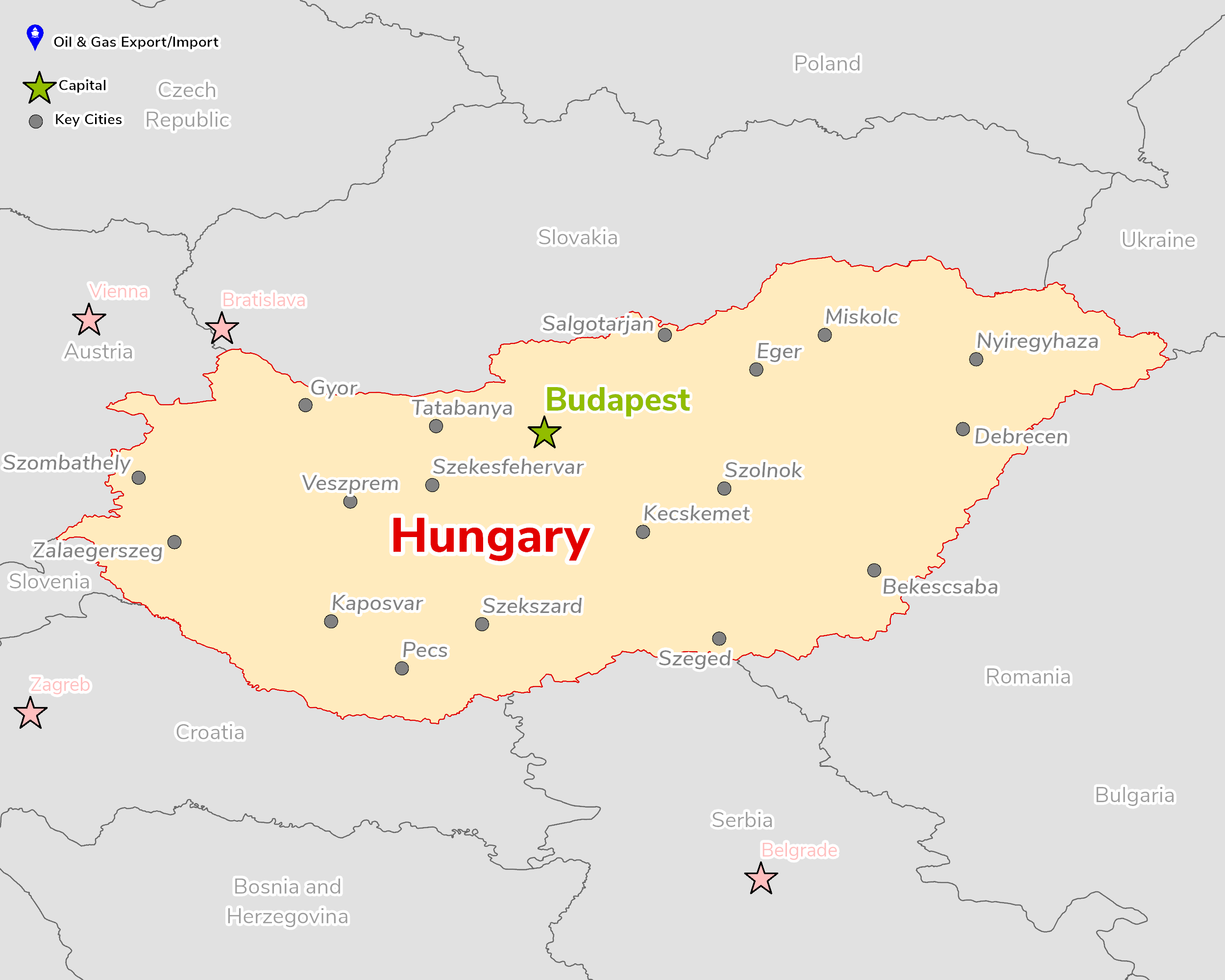
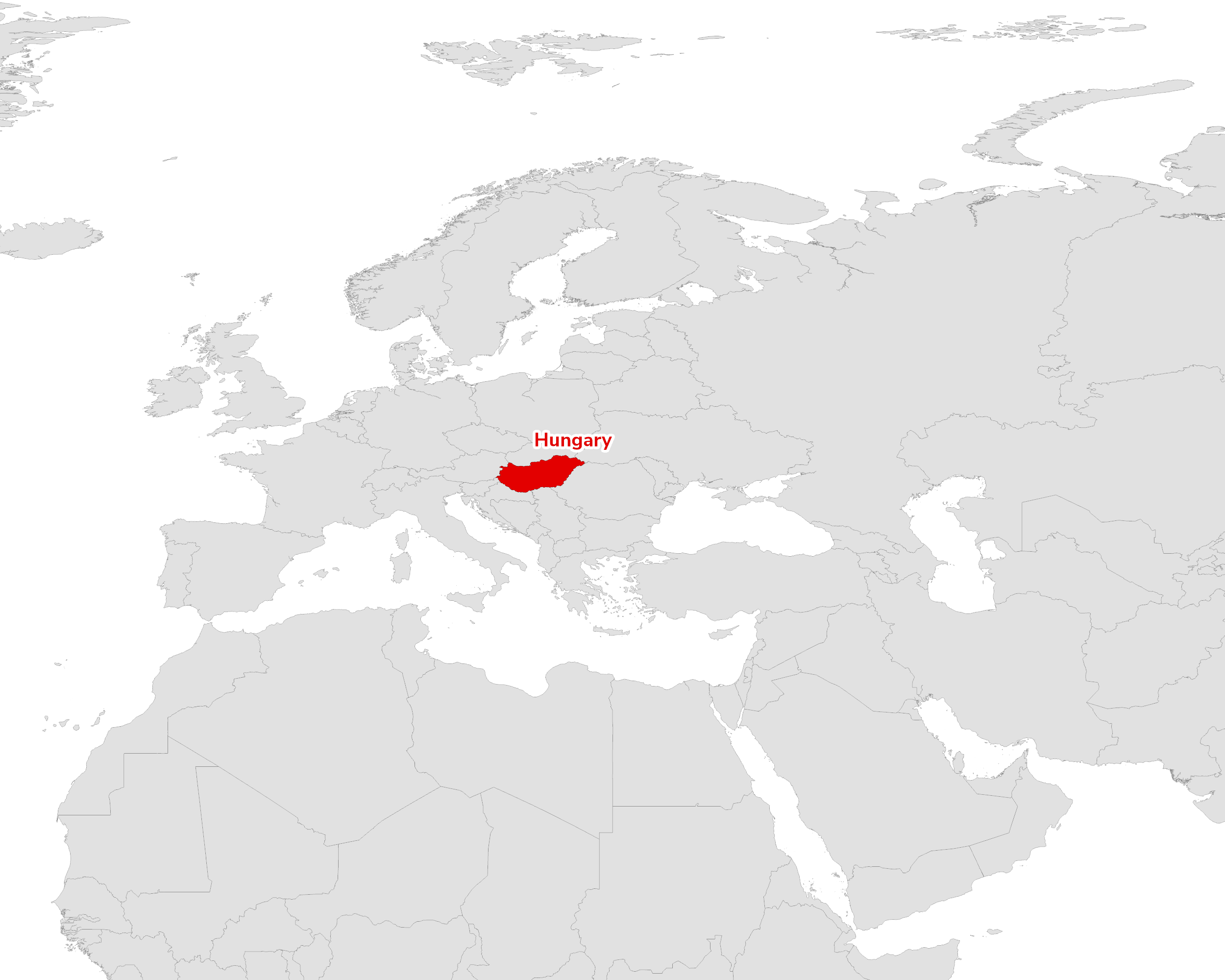
Central Europe, northwest of Romania.
Concession
Simple Concession-based fiscal regime. Royalty rates vary with production rates. In addition to corporate income tax, there is an additional profits tax (the Solidarity tax) plus some local business taxes and indirect taxes. There is no state participation.
Prime Minister Viktor Orbán's Fidesz faced its strongest challenge in years from Péter Magyar's Tisza party in the April 2026 election, and the outcome shapes Hungary's fraught relations with Brussels, where EU funds remain partly frozen over rule-of-law concerns. US and UK guidance cite sector-specific taxes, state intervention favouring connected firms and FDI screening. Hungary remains heavily dependent on Russian oil via Druzhba and on Russian gas, and was granted a temporary US sanctions exemption in late 2025. The Rosatom-built Paks II nuclear expansion is under way, and MOL is the dominant energy company.
Source: ESRI, Heritage Index, HMG Foreign & Commonwealth Office, US Department of State, International Trade Administration, International Law Review, Ernst & Young, Wood Makenzie & OGA data.

© 2024 Oil & Gas Advisors Limited
Website by Rugby Web Design


